I was recently asked to give a brief explanation about Paper Hearts. After sharing about our peer-to-peer program geared towards children and our community-centered projects that support young people, the stranger paused and asked,
“Honestly… why did you start Paper Hearts?”
For years, I had curated the perfect answer to this question.Clean. Professional. Palatable. I would say I started a mental health organization in 2020, at the height of COVID when the world was dealing with isolation, social distancing, and the emotional weight of uncertainty. It was an answer that made sense. It fit the narrative. It was acceptable.
And for five years, that’s the answer I gave.
But something about the way this stranger asked the question caught me off guard. There was no rush, no expectation, just curiosity and for a moment, I felt the weight of the truth sitting right beneath the rehearsed version.
So I told them the real story.
When I was 18, I enrolled in a degree program that was heavily male-dominated. You could see it in the lecture halls, in group assignments, in the way spaces were occupied. Somehow, I found myself in a group of six boys. They now insist on being called men… or even old men, depending on how their knees are behaving that day.
In that group, I found more than classmates. I learned how to draw, just enough to pass my exams. I had my first real club experience.But most importantly, I found people who showed up for me in ways I didn’t even know I needed. They became my community.The kind of friends who would defend you without hesitation.The kind who made you feel seen, even in spaces where you felt out of place.
And then, at 19, one of them died.We mourned him for months without knowing what had happened. All we had was the absence.He had been the quietest among us, but when he spoke, people listened. There was depth to him, something steady, something present and then he was gone.
A year later, during a casual meal with a mutual friend, the truth about his death came out.Just like that, I had to grieve him all over again this time, with context, with questions, the kind that don’t leave easily:“Why didn’t he tell us?” “How did I miss the signs?” “What could I have done differently?”
But the truth is, at 20, I had little to no understanding of mental health. Even if he had told meWould I have known what to say? What to do? How to help?
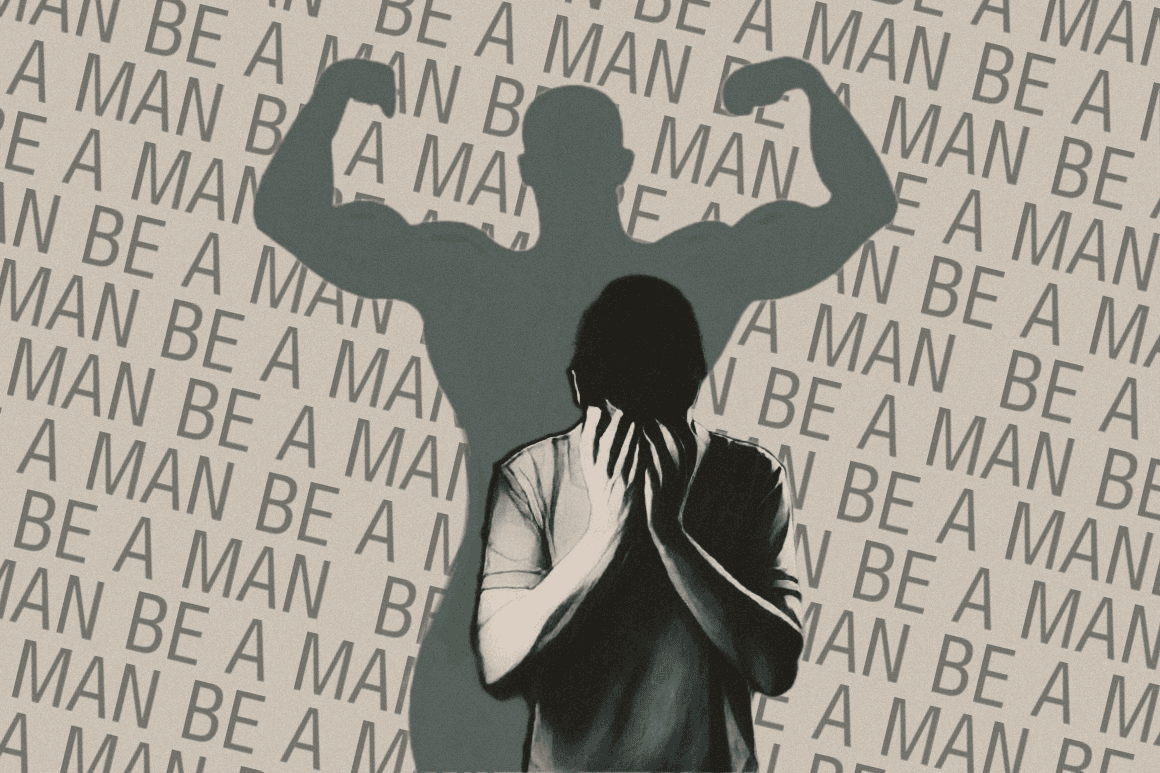
It took me two more years and a global pandemic for that answer to begin forming. I started learning.Listening. Paying attention. I checked in on my friends more intentionally. I began understanding emotions beyond “fine” and “okay.”And somewhere in that process, I realized something uncomfortable but necessary. We often expect people to speak up…but we don’t always build environments where they feel safe enough to do so. So I made a decision. I changed my career path and I started sharing what I was learning however imperfectly.
Back in that public transport, I couldn’t share all of this fully, not safely, not in that space. So I gave a version of the truth that could fit between bus stops:
“A few years ago, I lost a friend. And to deal with it, I started an organization focused on raising awareness, offering accessible coping tools, and building a community of support.”
And while it wasn’t the whole story, it wasn’t a lie either. May is Mental Health Awareness Month and in 2026, the focus is clear:Stigma grows in silence. Healing begins in community.
Paper Hearts was never just about programs, it was never just about information.It was, and still is, about making sure fewer people sit in silence, about creating spaces where people feel safe enough to speak and supported enough to be heard.Because sometimes, what someone needs isn’t a solution, It’s a community that notices when they go quiet.
And maybe, just maybe, that's where the healing begins.